 February 17, 2009
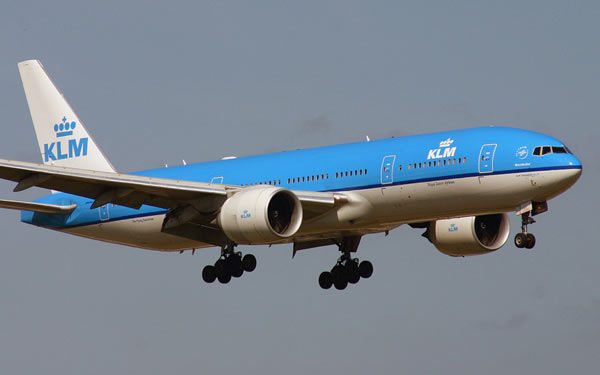
Amsterdam - Franco-Dutch airline alliance KLM (AIRF.PA) said on Monday that it will connect Liverpool to Manila via its Amsterdam hub at Schiphol when it opens the new route on March 29.
The new three times daily connection flight will be operated by its regional airline KLM Cityhopper using brand new Embraer 190 jets. The frequency will make it easier for Filipinos residing in Liverpool City Region, Cheshire and North Wales to go home bypassing London and Manchester via its worldwide hub.
The airline said that hundreds of passengers bound to the Philippines had taken bookings already. Some 60% of the airline bookings are out of Liverpool and 30% of those passengers will fly on to over 100 worldwide destinations on KLM's own intercontinental network.
On the new route from Liverpool John Lennon Airport to Amsterdam Schiphol, Christine Ourmières, the general manager Air France KLM UK & Ireland, said “Our decision to operate this service from Liverpool John Lennon Airport is a significant part of our strategy to provide greater access to Amsterdam and the Netherlands from the UK regions."
Data from the Philippine Department of Tourism(DOT) showed that traffic between Manila and Amsterdam has been increasing from a two-way volume of 186,504 in 2005 to 208,255 in 2006 and 212,078 in 2007. The rate of tourists coming to the Philippines from the Netherlands has grown 3.4 percent and from the rest of Europe, 13.84 percent.
The Netherlands-based KLM Royal Dutch Airlines is presently the only European airline flying from the Philippines to Europe. Its load factor in Manila also improved steadily from 85 percent in 2005, 88 percent in 2006, 89 percent in 2007, and 92 percent in 2008. It plans to add 3 more flights in 2009 if their load continue to climb beyond 95% this year.
Currently, it flies Manila daily with its brand Boeing 777-300ER. The airline took delivery of its first Boeing 777-300ER aircraft in February 13 last year and was deployed immediately to the Philippines. The aircraft type which is in a two-class configuration, was also deployed on routes to Dubai, Sao Paulo Guarulhos, and New York JFK. KLM has aligned the configuration and specification of its 777-300ER with Air France, which has operated the type since May 2004. KLM currently operates 15 777-200ERs.
Currently, it flies Manila daily with its brand Boeing 777-300ER. The airline took delivery of its first Boeing 777-300ER aircraft in February 13 last year and was deployed immediately to the Philippines. The aircraft type which is in a two-class configuration, was also deployed on routes to Dubai, Sao Paulo Guarulhos, and New York JFK. KLM has aligned the configuration and specification of its 777-300ER with Air France, which has operated the type since May 2004. KLM currently operates 15 777-200ERs.
A spokesman for Europe's largest airline said that it would delay taking delivery of several aircraft by two to three years as it seeks to rein in costs in the face of the global economic downturn. The delay would involve about five aircraft, including some Boeing 777-300 planes, some Boeing 777 cargo planes, and some Airbus (EAD.PA) planes. He added that delivery of an A380 superjumbo plane was still expected for the end of the year.The airline is not expected to cancel any plane orders.




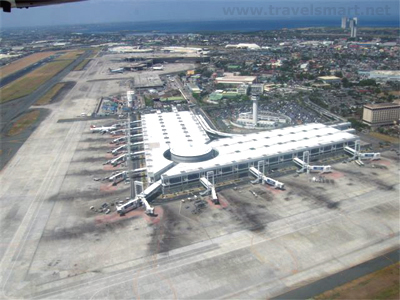
 Here’s some good things happening at the Ninoy Aquino International Airport (Naia).